Meet the flavor
Que Chido · 01
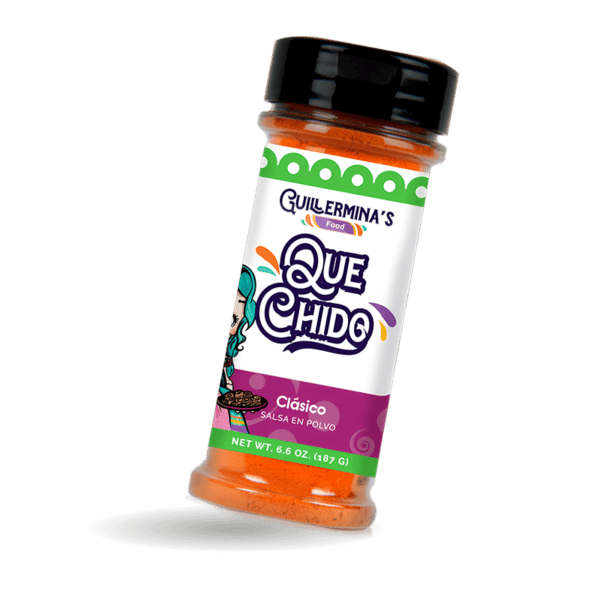 Chile · lime · sea salt ·
 A little shake. A lot of ¡Que Chido!
Discover the chile-lime seasoning and the colorful world behind Guillermina's Food.
Opening Guillermina’s Food.
Pantry guide
A useful Mexican seasoning guide begins with roles—not a rigid list. Learn what brings heat, earthiness, fragrance, brightness, color, and depth.
Know the role
Names matter, but behavior matters more. Aroma, heat level, color, fat, acid, and cooking time all influence the final result.
Chiles can contribute fruitiness, earthiness, smokiness, color, and different kinds of heat. Guajillo is often valued for color and a bright, gently fruity character; ancho tends toward deeper, raisin-like notes.
Mexican oregano has a strong, citrusy, slightly earthy profile. It is botanically distinct from Mediterranean oregano and can behave differently in a dish.
Cumin, coriander seed, cloves, cinnamon, and pepper appear in different regional preparations. Their role depends on the dish; more is not automatically better.
Onion and garlic often form the bridge between dried seasoning and fresh ingredients, helping flavor feel integrated rather than dusty or separate.
Lime and other acidic ingredients sharpen flavor and can make chile taste brighter. Add them thoughtfully, often near the end, so their freshness stays present.
A Mexican seasoning blend can combine several roles at once: heat, salt, aroma, color, and depth. Taste first and adjust the rest of the dish around it.
Three practical moves
Blends vary in salt, chile, and intensity. Knowing the starting point prevents over-seasoning.
Some spices benefit from brief contact with warm fat; fresh herbs and citrus often belong later.
A final squeeze of citrus, fresh garnish, or crisp ingredient can make deeper flavors feel more vivid.