Meet the flavor
Que Chido · 01
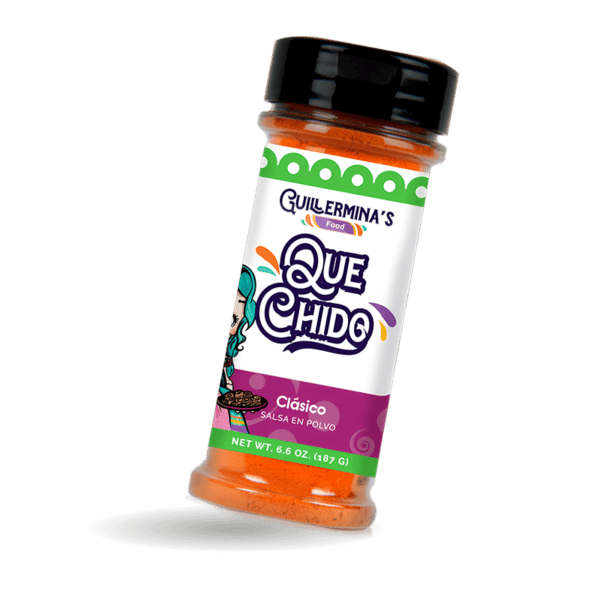 Chile · lime · sea salt ·
 A little shake. A lot of ¡Que Chido!
Discover the chile-lime seasoning and the colorful world behind Guillermina's Food.
Opening Guillermina’s Food.
Food & culture
Tradition can be ceremonial or everyday, public or private, carefully preserved or creatively adapted. Understanding the setting makes the food story richer.
A thoughtful starting point
Mexico's food culture includes Indigenous foundations and centuries of exchange. Corn, beans, squash, chiles, herbs, seeds, cacao, fruits, livestock, wheat, dairy, and many other ingredients meet in ways that vary from region to region.
When reading or writing about Mexican food traditions, the goal is not to flatten the country into one style or one recipe, but to keep the context visible: who cooked it, where, and when. The same ingredient can have different uses and meanings across households, and that variation is part of what makes the cuisine feel alive.
Everyday cooking often reveals as much as celebratory dishes: how ingredients are stretched, how leftovers transform, and how a family defines comfort.
Street food reflects movement, convenience, craft, and local taste. The same named dish can change noticeably between cities and vendors.
Foods tied to holidays and gatherings can carry deep community meaning. Context deserves care; a short list of “facts” cannot replace lived experience.
How we write about tradition
When known, identify the region, community, or context instead of presenting one version as universal.
Food stories are compelling, but repeated claims still need reliable evidence.
Tradition and innovation are not opposites. Cooks have always adapted to ingredients, movement, and new circumstances.